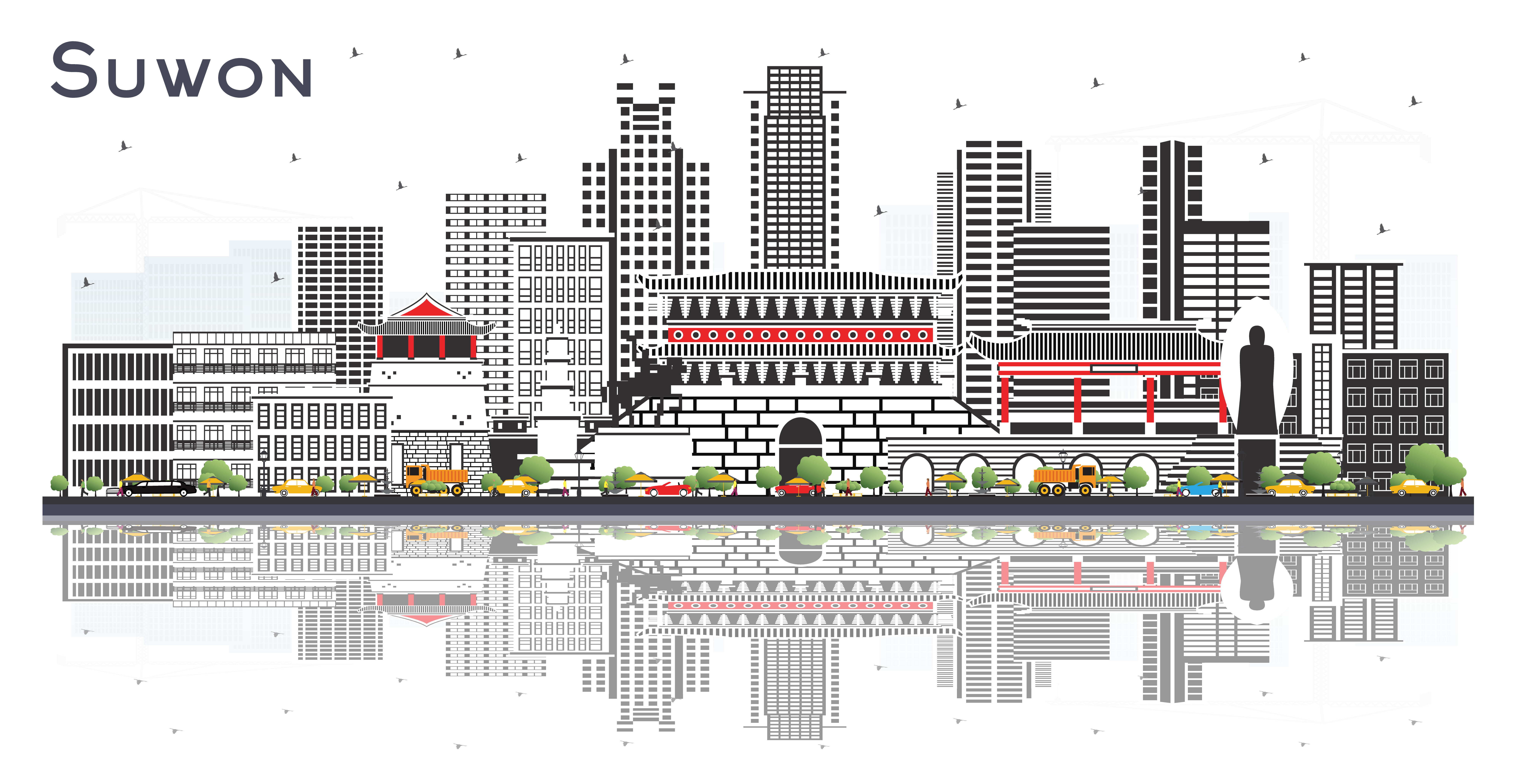
Suwon is one of the most rewarding cities to visit in South Korea for travelers who want more than a surface-level itinerary.
Located just south of Seoul, Suwon offers a rare combination of royal history, fortress architecture, traditional markets, street food, neighborhood walking routes, and local nightlife. It is close enough to the capital to visit conveniently, but culturally distinct enough to feel like a separate travel experience.
Unlike some destinations that are built mainly for tourism, Suwon still feels deeply connected to everyday Korean life. People visit its heritage sites, walk along the fortress walls, eat in old market streets, gather at chicken restaurants, and continue the evening through cafés, bars, and noraebang.
That balance is what makes Suwon special.
It is not only a historical city.
It is a city where history, food, music, and social culture still move together.
Why Suwon Deserves More Attention From Travelers
Many international visitors come to Korea with Seoul as their main destination. That is understandable. Seoul is large, fast, modern, and internationally famous.
But Korea’s cultural depth is not limited to Seoul.
Suwon provides a different kind of travel experience. It is slower, more walkable, and more closely connected to royal heritage and local urban culture. A day in Suwon can begin with palace architecture, continue through fortress paths and traditional markets, and end with Korean fried chicken, conversation, and noraebang.
This kind of itinerary gives travelers a more complete understanding of Korean culture.
Suwon is especially useful for travelers who want to experience three important aspects of Korea in one city:
History.
Food.
Nightlife.
Each of these appears clearly in Suwon’s most representative destinations.
Hwaseong Haenggung: The Royal Center of Suwon
Hwaseong Haenggung is one of Suwon’s most important historical landmarks.
The word “haenggung” refers to a temporary palace where the king could stay when traveling outside the main royal palace. Hwaseong Haenggung was closely connected to King Jeongjo, one of the most significant monarchs of the Joseon Dynasty. It reflects both royal authority and personal devotion, especially Jeongjo’s connection to his father, Crown Prince Sado.
The palace was originally built as part of the relocation and development of Suwon during the late eighteenth century. It served administrative functions and also operated as a royal residence when the king visited the area.
What makes Hwaseong Haenggung meaningful is not only its architecture, but also the historical emotion surrounding it.
It represents Jeongjo’s political vision, filial devotion, and ambition to build a new center of power and culture in Suwon.
Although much of the original palace complex was damaged during the Japanese colonial period, restoration efforts by local citizens and cultural preservation groups helped return the site to public life. This restoration history is important because it shows that Hwaseong Haenggung is not only a preserved monument, but also a recovered cultural space.
Today, visitors can walk through reconstructed palace grounds and imagine the scale of royal movement during the Joseon period. The courtyards, gates, halls, and surrounding streets create a strong sense of historical continuity.
Hwaseong Haenggung is especially impressive because it is not isolated from the city. It sits naturally within Suwon’s modern urban environment, allowing visitors to experience the relationship between past and present in a direct way.
The Nighttime Appeal of Hwaseong Haenggung
Hwaseong Haenggung is also known for its evening atmosphere.
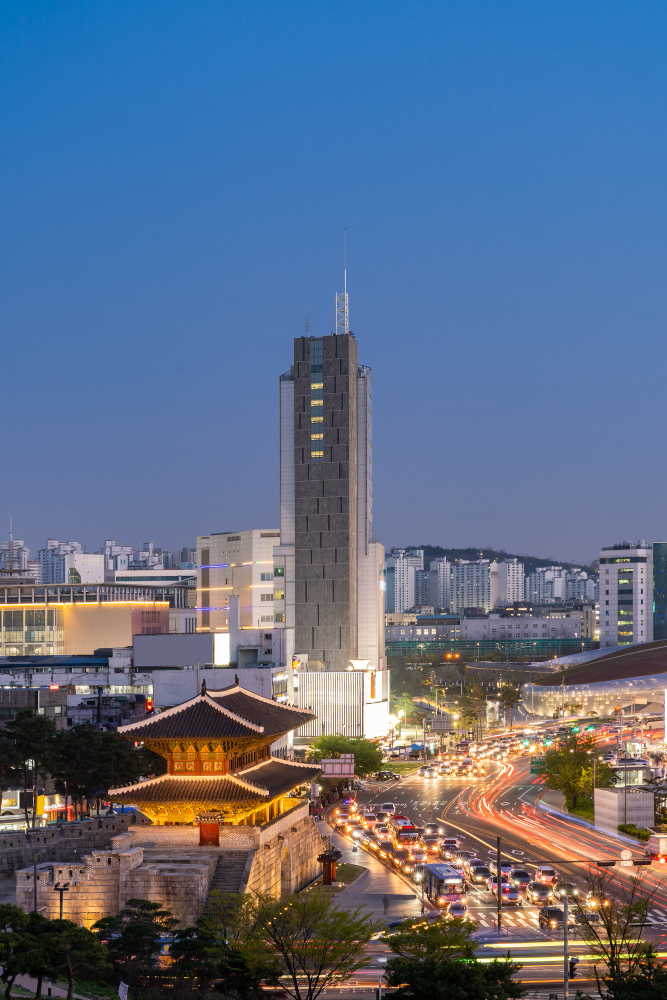
Suwon’s historic district becomes particularly beautiful after sunset, when lighting adds depth to the palace structures and nearby walking routes. The area often feels calmer at night than during the day, allowing visitors to experience the site with a different emotional tone.
For travelers interested in cultural photography, nighttime walks around Hwaseong Haenggung and nearby fortress areas can be especially rewarding.
The combination of traditional architecture, stone walls, warm lights, and quiet streets creates one of the most memorable night views in Suwon.
This makes the palace area a strong starting point for an evening itinerary.
A traveler can visit Hwaseong Haenggung in the late afternoon, walk through nearby streets after sunset, then continue toward local markets, food streets, or nightlife districts.
Banghwasuryujeong: A Scenic Pavilion and Picnic Spot
Banghwasuryujeong is one of the most beautiful places around Suwon Hwaseong Fortress.
It is also known as the northeastern pavilion of the fortress. Built on a scenic point near Yongyeon Pond, Banghwasuryujeong combines military function, architectural beauty, and natural scenery.
The location is important.
From the pavilion area, visitors can see the relationship between the fortress wall, water, stone, trees, and the surrounding city. This gives the place a distinct visual balance that differs from the more formal atmosphere of palace grounds.
Banghwasuryujeong has become especially popular as a picnic and walking destination.
Many local visitors enjoy sitting near Yongyeon Pond, taking photographs, or walking slowly along the fortress paths. The area works well for travelers who prefer relaxed cultural tourism instead of crowded indoor attractions.
It is also a good destination for people exploring Suwon on foot.
Nearby attractions such as Janganmun Gate, Hwaseong Fortress, Hwaseong Haenggung, and traditional neighborhoods can be connected into one walking route. This makes Banghwasuryujeong useful not only as a single destination, but also as part of a broader historical itinerary.
For first-time visitors, the best way to enjoy the area is not to rush.
The beauty of Banghwasuryujeong comes from its atmosphere: the curve of the fortress wall, the calm water, the pavilion above the landscape, and the slower rhythm of local visitors.
Paldalmun: The Southern Gate of Suwon Hwaseong
Paldalmun is another essential landmark in Suwon.
As the southern gate of Suwon Hwaseong Fortress, it represents the architectural strength and sophistication of late Joseon fortress design. The gate is known for its impressive scale, layered structure, and defensive features, including its semicircular protective wall.
For travelers interested in Korean architecture, Paldalmun is worth careful observation.
Its form reflects a combination of symbolic authority and practical defense. The gate structure, roof style, stone base, and surrounding elements all show how fortress architecture developed during the Joseon period.
Paldalmun is also important because of its location.
It stands near one of Suwon’s busiest traditional commercial areas. Around the gate, visitors can easily move toward Nammun Market, food alleys, and older shopping streets.
This creates an interesting contrast.
One moment, visitors are standing in front of a historic fortress gate. A few minutes later, they are walking through markets filled with food, shops, and everyday local energy.
That transition is one of the reasons Suwon feels so alive.
History is not separated from daily life.
It sits directly beside it.
Nammun Market: A Traditional Market District With Local Energy
Nammun Market is one of the most important traditional market areas in Suwon.
Rather than being a single simple market, it refers to a larger commercial district made up of multiple connected markets around Paldalmun. These include food streets, clothing areas, tool shops, local stores, and long-established merchant spaces.
For travelers, Nammun Market is valuable because it provides a direct encounter with local Korean market culture.
This is not the polished version of Korea found in major shopping malls. It is practical, busy, sensory, and deeply connected to local daily life.
Visitors can find a wide range of foods and snacks, including traditional Korean noodles, fried foods, dumplings, rice cakes, pancakes, and market-style desserts. The market is also known for its old food alleys, where long-running vendors preserve flavors that are difficult to reproduce in modern franchise restaurants.
The atmosphere is part of the experience.
Market vendors call out to customers. Steam rises from food stalls. Small restaurants fill with local regulars. Families, older residents, students, and tourists move through the same narrow passages.
This mixture gives Nammun Market a strong sense of authenticity.
For travelers who want to understand Korean food culture beyond famous dishes, traditional markets are essential. They show how food, neighborhood identity, and social exchange come together.
Suwon Chicken Street: A Local Food Landmark
Suwon Chicken Street is one of the city’s most beloved food destinations.
Located near Paldalmun, this area has built its reputation through decades of fried chicken restaurants. Several well-known shops have contributed to the street’s fame, creating a food culture that attracts both locals and visitors.
Korean fried chicken is already internationally famous, but Suwon Chicken Street offers a more local and traditional version of the experience.
The appeal is not only the chicken itself.
It is the setting.
Groups gather at restaurants after work, friends share large plates, families visit on weekends, and travelers often combine the meal with nearby sightseeing. The atmosphere is casual, lively, and social.
Some restaurants are known for crispy fried chicken. Others are known for whole-style chicken, garlic flavor, or side dishes such as fried chicken gizzard. The details vary by restaurant, but the overall experience is consistent: generous portions, shared eating, and strong local character.
For travelers planning a full Suwon itinerary, Chicken Street works well after visiting Paldalmun, Nammun Market, or Hwaseong Haenggung.
It is also a natural bridge between daytime sightseeing and evening nightlife.
A common Korean evening pattern begins with dinner, continues with drinks or conversation, and often moves into music-based entertainment such as noraebang.
Understanding Noraebang: Korea’s Singing Room Culture
To understand Korean nightlife properly, travelers need to understand noraebang.
The word noraebang literally means “singing room.” It refers to a private-room karaoke space where individuals or groups can sing songs using microphones, screens, and music systems.
Although karaoke originated in Japan, Korea developed its own distinctive form of singing room culture. Noraebang became deeply integrated into Korean social life because it fit naturally with existing group-oriented leisure spaces such as PC rooms, game rooms, and other room-based entertainment venues.
Unlike public karaoke bars in some countries, Korean noraebang is usually private.
This privacy changes the entire experience.
People do not sing to impress strangers.
They sing with friends, coworkers, classmates, or companions in a controlled space where the group creates its own atmosphere.
This makes noraebang less about performance and more about shared emotion.
Types of Noraebang in Korea
Korea has several different types of singing spaces.
The most common is the standard noraebang, officially known as a singing practice room. These venues usually rent private rooms by time. Groups enter a room, select songs, and sing together.
Coin noraebang, often shortened to “cono” in Korean, is especially popular among students and younger visitors. Instead of paying for a full room by the hour, users pay by song or by short time blocks. This makes it convenient for people who want to sing only a few songs.
Some coin noraebang locations are designed for one or two people, making them popular among people who want to sing alone.
There are also small singing booths located in amusement arcade-style spaces. These are often used casually for one or two songs rather than extended group gatherings.
This variety shows how singing culture has adapted to different lifestyles.
Group singing remains important, but individual singing has also become more common.
Why Koreans Love Singing Together
Noraebang is not just entertainment.
It reflects a deeper cultural relationship with music, emotion, and social connection.
Koreans have long valued group singing, music, rhythm, and shared expression. Historically, music and collective singing were associated with communal gatherings, emotional release, celebration, and social bonding.
Modern noraebang continues that pattern in an urban form.
People visit noraebang to relieve stress, strengthen relationships, celebrate after meals, or continue a night out after dinner and drinks.
For many Koreans, singing together allows emotional expression that may be difficult in ordinary conversation. A song can express sadness, humor, confidence, nostalgia, affection, or excitement without requiring a direct explanation.
This is one reason noraebang remains culturally powerful.
It gives people a socially acceptable space to release emotion.
Noraebang as a Social Space
The social function of noraebang is important.
In Korea, group outings often follow a multi-stage structure.
The first stop may be dinner.
The second may be drinks.
The next may be noraebang.
This progression is not random. Each stage changes the emotional atmosphere of the group.
Dinner creates comfort.
Drinks loosen conversation.
Noraebang creates participation.
Inside a singing room, people who may have been quiet during dinner often become more expressive. Friends encourage one another. Coworkers share familiar songs. Couples sing ballads. Groups laugh at unexpected song choices.
The room becomes a temporary social world.
This is why noraebang has long been connected to bonding, stress relief, and relationship building.
For travelers exploring Suwon after visiting historic landmarks and local food streets, Korean singing room culture can be a meaningful way to understand the city’s evening rhythm. A local nightlife guide such as 수원가라오케 can be useful for visitors who want to learn how Suwon’s karaoke and entertainment culture fits into the broader experience of Korean nights.
How to Recognize Different Singing Venues
Travelers should understand that not every sign using singing-related language refers to the same type of place.
A standard noraebang or singing practice room is generally a music-focused space where people rent a room and sing.
However, some venues with signs that look similar may operate as nightlife establishments serving alcohol or adult-oriented entertainment. In Korea, small differences in signage, wording, and atmosphere can indicate different business categories.
Visitors should pay attention to the venue type before entering.
If the goal is casual singing, a standard noraebang or coin noraebang is usually the most straightforward choice.
If the goal is nightlife entertainment, travelers should understand the venue’s system, pricing, and atmosphere before making a decision.
This distinction helps prevent confusion and ensures that visitors choose the experience they actually want.
The Rise of Coin Noraebang
Korean noraebang culture has changed over time.
In the past, group singing rooms were strongly associated with after-work gatherings, student outings, and late-night social events. These still exist, but individual singing spaces have become more prominent.
Coin noraebang grew rapidly because it matches modern lifestyle patterns.
People can visit alone.
They can sing for a short time.
They do not need a large group.
They can control cost easily.
This format is especially popular in university areas and dense commercial districts.
The rise of coin noraebang reflects a broader social shift in Korea. Leisure culture has become more individualized, but the desire to express emotion through singing remains strong.
The format changed.
The emotional function stayed.
Building a One-Day Suwon Itinerary
A strong Suwon itinerary can be built around history, food, and nightlife.
A traveler might begin at Hwaseong Haenggung, exploring the palace grounds and learning about King Jeongjo’s historical vision.
From there, they can walk toward the fortress area and visit Banghwasuryujeong for scenic views and a slower outdoor atmosphere.
Next, Paldalmun provides a strong architectural stop and connects naturally to traditional market streets.
Nammun Market can become the food-focused part of the afternoon, with snacks, noodles, pancakes, dumplings, or other local dishes.
As evening approaches, Suwon Chicken Street offers a satisfying dinner experience with one of the city’s best-known local foods.
After dinner, visitors can continue into Suwon’s nightlife atmosphere through cafés, bars, or noraebang.
This kind of itinerary works because it follows the natural rhythm of the city.
It does not force unrelated attractions together.
It moves from palace to fortress, from gate to market, from food street to music and nightlife.
That is how Suwon is best experienced.
Why Suwon Works Well for Cultural Travelers
Suwon is not only for people who want quick sightseeing.
It is especially rewarding for cultural travelers.
The city shows how Korea’s past and present interact in ordinary urban space. Royal history appears beside markets. Fortress walls overlook residential neighborhoods. Traditional food streets continue operating near major heritage sites. Nightlife grows naturally from dinner culture and group entertainment.
This gives Suwon unusual depth.
A traveler can learn about Joseon royal history in the afternoon and experience modern Korean social culture at night.
Few cities combine these elements so conveniently.
Suwon is also manageable in scale. It is large enough to offer variety, but not so large that visitors feel overwhelmed. Many major attractions can be connected by walking, short taxi rides, or public transportation.
This makes the city practical as both a day trip and an overnight destination.
Responsible Travel and Local Awareness
A good travel experience also requires respect for local culture.
At historical sites, visitors should move carefully, avoid damaging structures, and remember that restored buildings still carry cultural significance.
In markets, travelers should respect vendors, avoid blocking narrow paths, and understand that many shops are working businesses rather than tourist displays.
In restaurants, especially popular chicken places, waiting may be normal during busy hours.
In noraebang or nightlife spaces, visitors should understand pricing systems, venue types, and group etiquette before entering.
Responsible travel creates better experiences for both visitors and locals.
Suwon is a welcoming city, but it is also a living city. Treating it that way leads to a richer and more respectful journey.
Final Thoughts
Suwon is one of the best cities in Korea for travelers who want a complete cultural experience.
Hwaseong Haenggung reveals royal history and the legacy of King Jeongjo.
Banghwasuryujeong offers scenic beauty and fortress-side relaxation.
Paldalmun shows the architectural strength of late Joseon fortress design.
Nammun Market introduces traditional local commerce and street food.
Suwon Chicken Street delivers one of the city’s most famous food experiences.
Noraebang culture reveals how Koreans use music to build connection, release stress, and extend the emotional rhythm of the evening.
Together, these elements make Suwon more than a sightseeing destination.
They make it a city where history, food, music, and social life can be experienced in one continuous journey.
For travelers who want to understand Korea beyond famous landmarks, Suwon offers exactly what meaningful travel should provide: context, atmosphere, local identity, and memorable human experience.