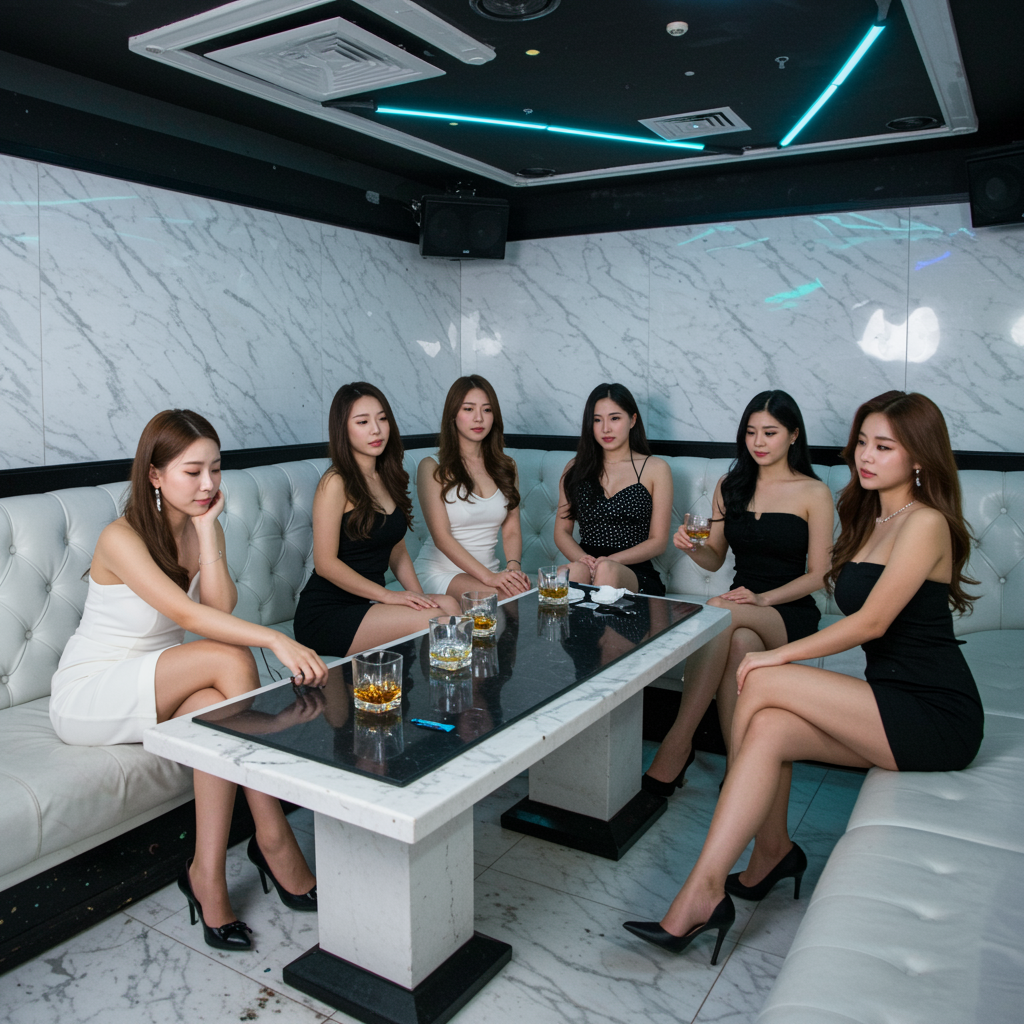
Understanding Late-Night Culture in Korean Cities
Late-night culture in Korea is one of the defining features of urban life. In many cities, the evening does not simply end after dinner. Instead, it often continues into a relaxed and social after-hours rhythm that blends food, conversation, and group-oriented venues. For visitors who are new to Korea, understanding this flow can make nighttime outings much more comfortable and enjoyable.
Why Korean Cities Stay Active Late Into the Night
One reason Korean nightlife feels so active is the country’s strong social dining culture. Many people finish work later in the evening, and gatherings often begin with shared meals. Because of this, the social part of the night naturally shifts later compared to some Western cities.
Major urban areas such as Seoul, Suwon, and nearby satellite cities are especially known for their late operating hours. Restaurants, cafés, and various entertainment venues frequently stay open well past midnight, creating a smooth transition from dinner to late-night activities.
Public transportation in larger cities also supports this rhythm. With late-running buses and extended taxi availability, people feel comfortable staying out longer without worrying about how to get home.
The Multi-Stage Evening: A Common Korean Pattern
Unlike nightlife in some countries that centers around a single destination, evenings in Korea often unfold in stages. Groups typically begin with dinner, then move to a second location to continue conversations, and sometimes finish the night with a late snack or dessert.
This multi-step structure is deeply rooted in Korean social culture. Coworkers, friends, and small groups often prefer environments where they can talk comfortably without rushing. Because of this, many venues are designed to accommodate groups rather than individual visitors.
For first-time visitors, the key is not to rush the night. The experience tends to feel more natural when you follow the gradual pace that locals are used to.
Neighborhood Differences Across Korean Cities
Each Korean city has its own late-night character. Larger metropolitan districts often feature dense nightlife clusters with a wide variety of venues within walking distance. Meanwhile, newer planned areas may feel more spread out but still maintain active evening scenes around key commercial zones.
In cities like Suwon, nightlife tends to balance between local regulars and visitors from nearby areas. Dongtan and other developing districts often attract younger crowds and groups looking for newer, more modern environments. Understanding these subtle differences helps visitors choose areas that match their preferred atmosphere.
Tips for Enjoying Late Nights in Korea
If you plan to explore Korean cities after dark, a bit of preparation goes a long way. Weekends are naturally busier, so arriving earlier in the evening can provide a more relaxed experience. Weeknights, on the other hand, often offer a calmer pace while still maintaining the essential nightlife atmosphere.
It is also helpful to keep group dynamics in mind. Many late-night spaces are designed with small gatherings in mind, and the overall experience tends to feel more comfortable when visiting with friends or colleagues rather than alone.
By understanding the rhythm of late-night culture in Korean cities, visitors can navigate the evening scene more naturally and enjoy the social flow that makes Korea’s urban nights distinctive.
'Korea Nightlife Guide' 카테고리의 다른 글
| How Korean Karaoke Actually Works | A Real Guide for First-Time Visitors to Korea (0) | 2026.03.20 |
|---|---|
| How Korean Nightlife Culture Is Different From Other Countries (0) | 2026.03.13 |
| Korean Nightlife Hub: Understanding Evening Culture Across Korea (0) | 2026.03.11 |
| What to Expect from Private Room Venues in Korea (0) | 2026.02.24 |
| How Nightlife Works in Korea: A First-Timer’s Guide (0) | 2026.02.24 |